Increasing Global Backlink Capacity Safely

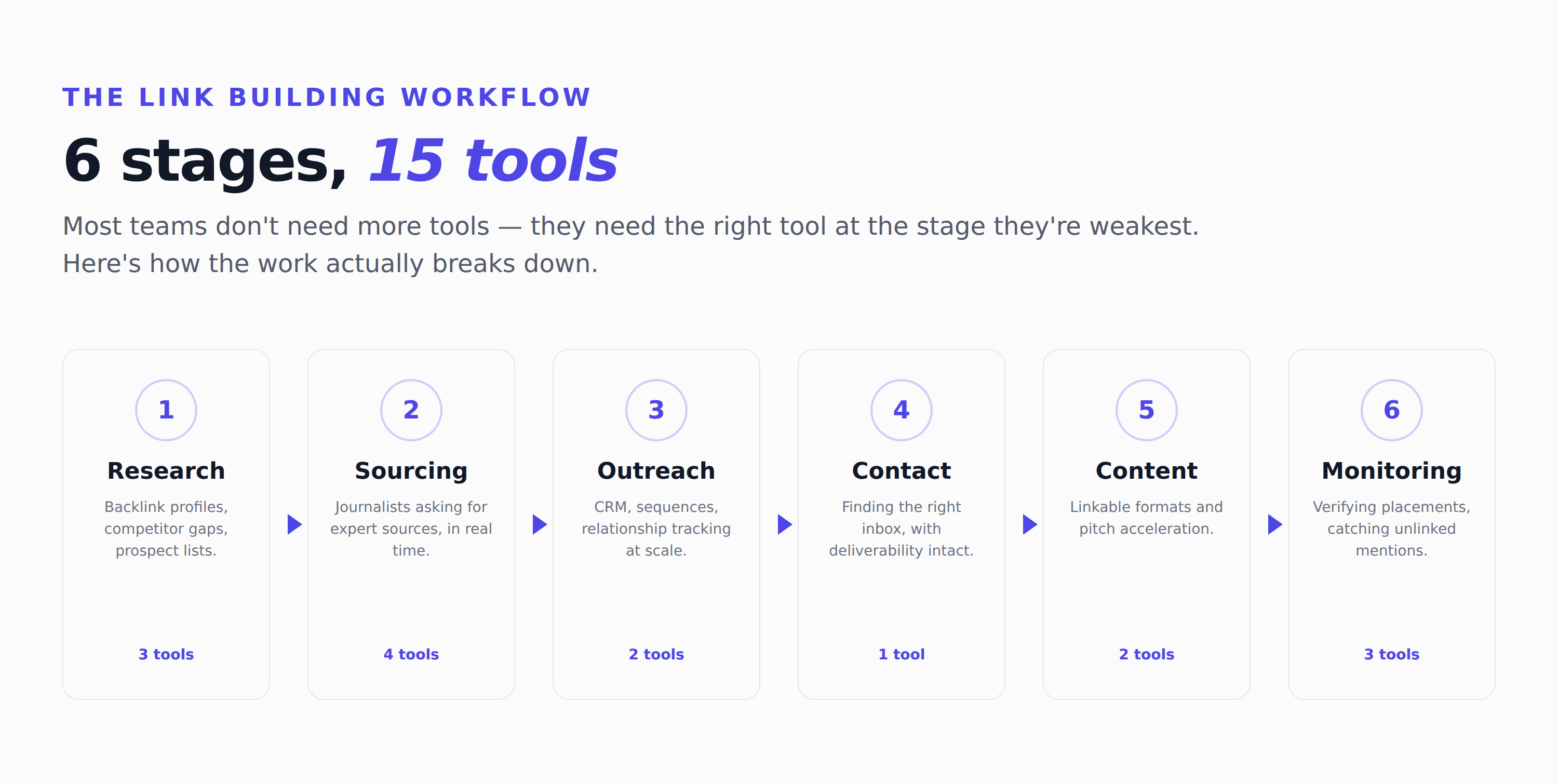
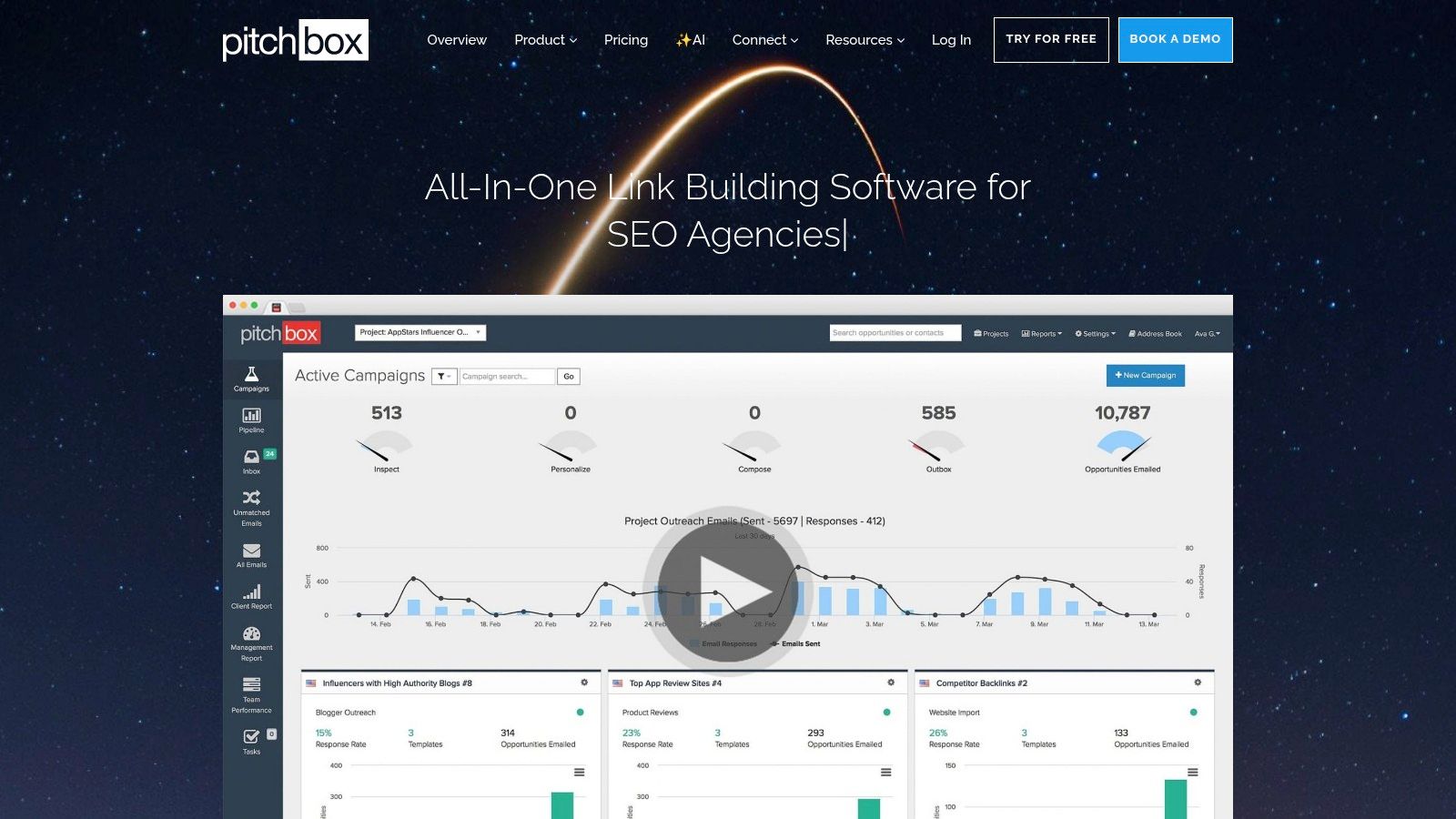
The true power lies not in finding a magic bullet, however in tactically putting together a tech stack that multiplies your efforts and frees up your time for what genuinely matters: building real relationships and producing high-value content. The tools we've covered, from all-in-one powerhouses like Ahrefs and Semrush to specialized outreach platforms like Pitchbox and Respona, all objective to solve a vital piece of the link building puzzle.
The journey to a sophisticated link structure engine is a process of layering automation. This is where foundational link building is non-negotiable.
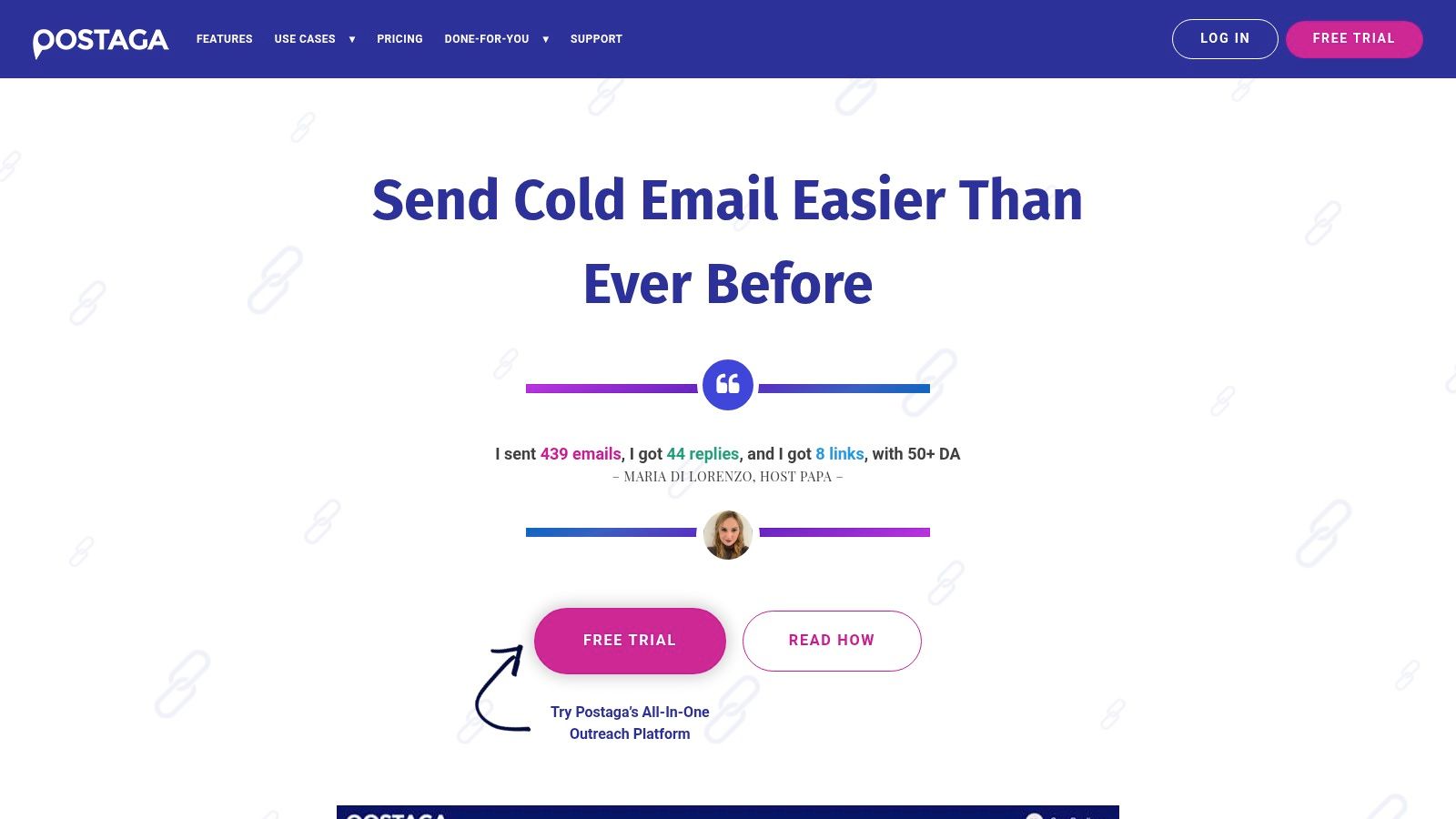
Once you have a baseline of exposure, you can leverage tools like Hunter or to find contact information at scale, feeding that information into outreach systems like Mailshake or Postaga to automate your e-mail series for guest publishing, broken link structure, or resource page placements. The objective is to create a workflow where automation handles the 90% of a job that is repeated, leaving you to concentrate on the 10% that requires human imagination and customization.
Assess the ROI in terms of hours saved and potential links acquired. How well do your chosen tools work together? A seamless circulation of information from your research tool to your CRM and then to your outreach platform is important for real automation.
They handle the prospecting, the follow-ups, and the data management, permitting you to invest your most important resource, your time, into crafting engaging pitches and promoting connections that result in high-authority backlinks. Choose carefully, start small, and construct a system that turns the tough task of link structure into a foreseeable growth engine for your business.
Boosting Global Backlink Volumes Successfully
To circumvent that, the safest psychological design is: Automation is great at moving data around, however it's awful at making trust. And link building genuine link building is primarily about trust and significance.
If you've ever attempted to scale this, you already understand the bitter truth: you spend a shocking quantity of time doing just "admin SEO." Building lists. Discovering e-mails. Which's the home turf of automation. Where automation might fail is the step where a third party should make a choice: "Yes, I'll cite you".
When individuals state "automated link building," it assists to split it into 2 kinds. It makes up auto-posting to networks, automated link exchanges, automated paid positionings, and mass guest-post pipelines.
No, they're the ones that. When you do automation right, your group spends less time on sorting and chasing. Instead, they can concentrate on 2 things that really acquire links: discovering a real fit and making a reliable contribution. Automation shines at the stage when you're creating the top of the funnel.
Here's a prospecting scorecard you can use as a gate before anything reaches outreach. Indexed pages, consistent publishing circulation, non-zero presence Outbound link patterns Does it look like a link farm or "write for us" mill? Sensible outbound links, not clearly commercial-heavy Material quality Would a real individual cite this as a source?
Identifying the Optimal Automation Software for Link Management
A lot of outreach fails for one boring reason: people pitch the wrong thing to the incorrect page type. You can enrich contacts (role, beat, area owner), pull the last 35 posts, detect whether a page is an editorial article or a curated list, and then route potential customers into the best project track.
A pitch makes sense where attention currently exists: unlinked discusses, dead links, or outdated recommendations. Individuals anticipate too much from AI in outreach and too little from solid mechanics.
People then take that raw input to organize it as a narrative covering why the pattern matters, what it suggests, and how a reader must react. This matters more now because Google has freely punished large-scale material the more so if the material's been determined to game rankings, not to assist users.
Why Does Technical URL Indexing Increase Results?
If you're generating pages primarily to have surfaces to point links at, you're off course. In our experience, for numerous websites, it's internal connecting, not external link acquisition, that represents a larger part of link-building effects. Google finds pages, understands which of them are crucial, and identifies hierarchy in between subjects far more quickly when helped through internal links.
(Google for Developers) Internal linking is completely automatable. The great thing is that it's almost difficult to cross into risky practices. What you can automate: detecting orphan pages connecting brand-new material back to core hubs identifying broken or dead internal links flagging pages that aren't well-linked internally offering anchor text options based upon intent clusters Automated link structure may in some cases feel sketchy.
It frequently is simply repairing truth: you were mentioned but not connected a link broke since a URL changed a page 404 'd after a migration a site revitalized an article however dropped the original citation Thanks to automation, you get the alert exactly the moment it occurs. What you can do now is actioning in with a low-friction message to the publisher.
Increasing Daily Submission Volumes Safely
The pleasant part here is that a backlink is a byproduct when you keep info accurate and citations intact. In this section, let's see how automation ends up being harmful (since it tempts you to use it as "just a tool"). For Google, results and patterns matter, it's unaware of your intent.
In Google's spam policies, you'll find behaviors that can trigger pages or websites to rank lower or gain zero visibility. Connect spam comes from that universe, too. Paying for links itself isn't the offense; it just ends up being a problem when paid links covertly affect rankings. Google lays out clear guidelines on certifying outbound links using rel attributes like sponsored and ugc.
Not every page can earn links naturally. Money pages frequently earn links inadequately.